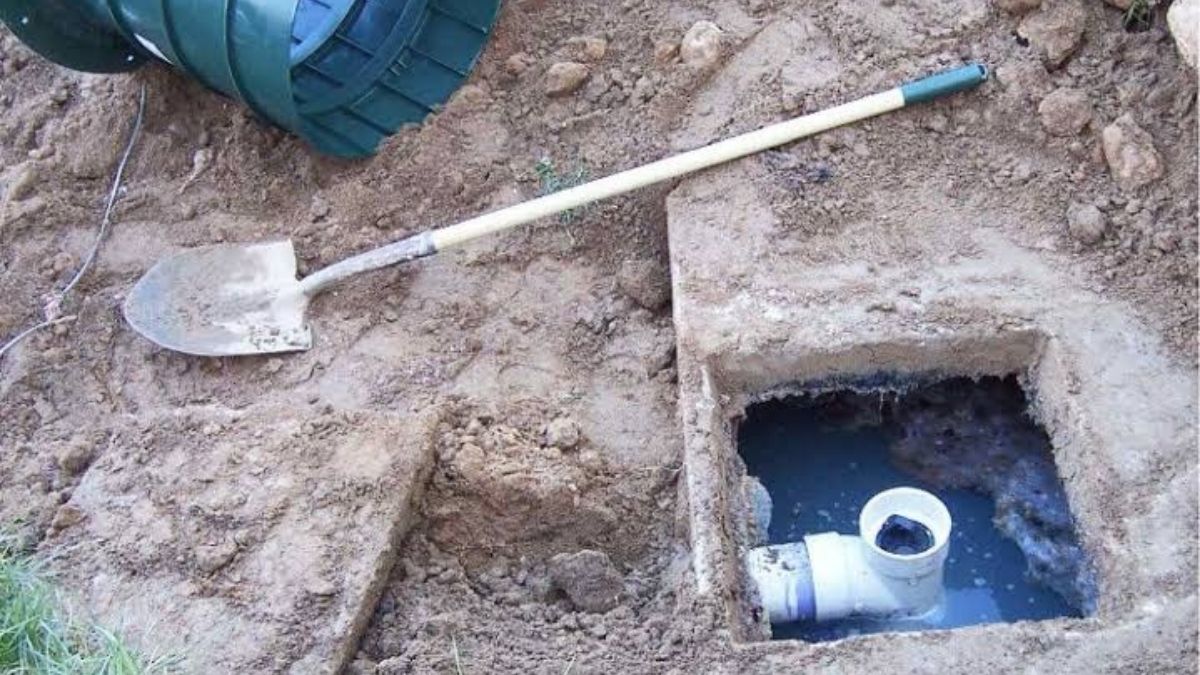
Repair Is Different From Routine Pumping
Our septic tank pumping page covers the routine maintenance every septic system needs every few years. This page covers what happens when something in the system has actually failed - a cracked tank, a broken baffle, a failing drain field, or a backup that pumping alone won't resolve. If you're not sure which category your situation falls into, that's exactly what an inspection is for.
Need a plumber now? Our line is open 24/7, including nights, weekends, and holidays.
Call (714) 750-8637When a Septic Failure Is an Emergency
A septic problem becomes an emergency when wastewater is coming back into the house or surfacing in the yard. Water rising around a tub or shower drain, gurgling toilets, a sewage smell indoors, or wet, foul-smelling ground over the tank or drain field all mean the system has stopped doing its job. Stop using water, keep people and pets away from the wet area, and call us at any hour.
Pumping may be the first step to relieve the pressure, but if the system backs up again shortly after, the cause is a broken pipe, a failed baffle, or a saturated drain field, and that needs repair.
The Real Failure Points in a Septic System
A tank's inlet or outlet baffle directs flow and keeps solids from washing straight into the drain field - a broken or missing baffle lets untreated solids reach the field far faster than it's designed to handle, shortening its life significantly. The tank itself can crack or shift, especially an older concrete tank affected by the same soil movement that stresses buried pipe elsewhere in Lancaster.
And the drain field, which absorbs treated liquid into the surrounding soil, can become saturated or clogged if it's been overloaded for years, which is a bigger and more expensive repair than anything involving the tank alone.
Signs You Need Repair, Not Just Pumping
- ●
Sewage backing up again shortly after a pumping visit, which points to a mechanical failure rather than a full tank.
- ●
Standing water or unusually lush, green grass over the drain field even during dry periods.
- ●
Visible cracks or settling around the tank's location.
- ●
A persistent sewage odor near the tank or field that pumping didn't resolve.
Fixing the Actual Problem
Baffle repair or replacement is usually the most affordable fix and the first thing checked when a system that was recently pumped starts backing up again. Tank repair depends on the extent of cracking or shifting - sometimes a section can be sealed, other times replacement is the more honest answer for an old, compromised tank.
Drain field problems are the most involved to address, ranging from resting and reducing load on the field to a partial or full field replacement in severe cases. We'll tell you plainly which category your situation falls into rather than defaulting to the most expensive option.
Extending a Septic System's Working Life
Staying on a real pumping schedule is the single biggest factor in avoiding repair in the first place, since a tank that's never overloaded with solids puts far less stress on its baffles and downstream drain field. Beyond that, being mindful of what goes down the drain matters more on septic than on sewer - flushable wipes, excess grease, and heavy garbage disposal use all send more solid material into the tank than the system is designed to comfortably handle, accelerating the exact failures covered above.
A Note for Antelope Acres and Other Rural Properties
Many septic systems in Lancaster's unincorporated fringe communities are decades old, installed under different code requirements than would apply to a new system today. An older tank or field isn't automatically a problem, but it's worth having inspected if you're not familiar with its history - particularly before assuming a persistent issue is something pumping alone will resolve.
Getting a Septic System Checked Before You Close
A septic inspection before purchasing a property is a reasonable and increasingly common request, since a system with no known history could be perfectly fine or could be a repair or drain-field replacement waiting to happen. We can inspect the tank, check baffle condition, and assess the drain field's apparent health as part of a pre-purchase evaluation, giving you real information to factor into a purchase decision rather than an unknown you inherit at closing.
Line Problems Between the House and the Tank
Not every septic failure is the tank. The pipe that runs from the house to the tank can crack at a joint, sag where the soil has settled, or take in roots, and any of those can back water up into the house while the tank itself is fine.
A line leaking under the house shows up as damp soil, odor, or water rising under a tub or shower. A camera inspection of the line finds the break, and we explain whether a spot repair, a lined section, or a replacement run is the right fix.
Need a plumber now? Our line is open 24/7, including nights, weekends, and holidays.
Call (714) 750-8637Questions
If problems return shortly after a pumping visit, or if you're seeing standing water or lush grass over the drain field, that points toward a mechanical or field problem pumping alone won't fix.
It depends on the extent and location of the damage - some cracks can be sealed, while a severely compromised older tank is often better replaced than patched repeatedly.
Not always. Reducing load on the field and giving it time to rest can resolve some cases. Severe, long-term saturation may require partial or full replacement.
Yes, a pre-purchase septic inspection is a reasonable request for any property on a septic system, and can catch a repair need before it becomes your problem after closing.
It can be. Water rising in a tub or shower drain, especially with gurgling or odor, often means the system is backing up. Stop using water and call us right away, any hour.
Yes. A cracked, sagging, or root-filled line between the house and the tank is a common cause of backups. We camera the line, find the break, and explain the repair options.